About Us

Seven Sisters Development Assistance (SeSTA) is an evolving development organization in North East India.

The idea of SeSTA was conceived in the year 2011 to catalyse the development activities in North East India through the process of “Nirman” (constructive development) by working for an improved livelihood system and better well-being status of rural communities of the North Eastern States of India.

SeSTA’s intervention in the rural pockets of selected communities and villages help with the idea of transforming their social, economic and political agency by collectivizing women as their central point of intervention. Eventually, by mobilizing these rural women and their community institutions, they are capacitated in various scientific and improved methods of livelihood practices, climate change resilience, gender inclusiveness and equality, and linkages to welfare and entitlements which will scour them to live a dignified life. It endeavors to be a catalyst for economic development so that they can transpire from the vicious cycle of contested identity crisis and poverty, and are able to meaningfully participate in the rural economy and beyond.

Our Vision

SeSTA envisions a vibrant, democratic and progressive society, where every citizen is empowered to live a dignified life, in peace and in harmony with nature.

Our Mission

Catalyzing inclusive and sustainable development in North East India by enhancing livelihoods and institutional capacities of the rural communities.
Areas of Work

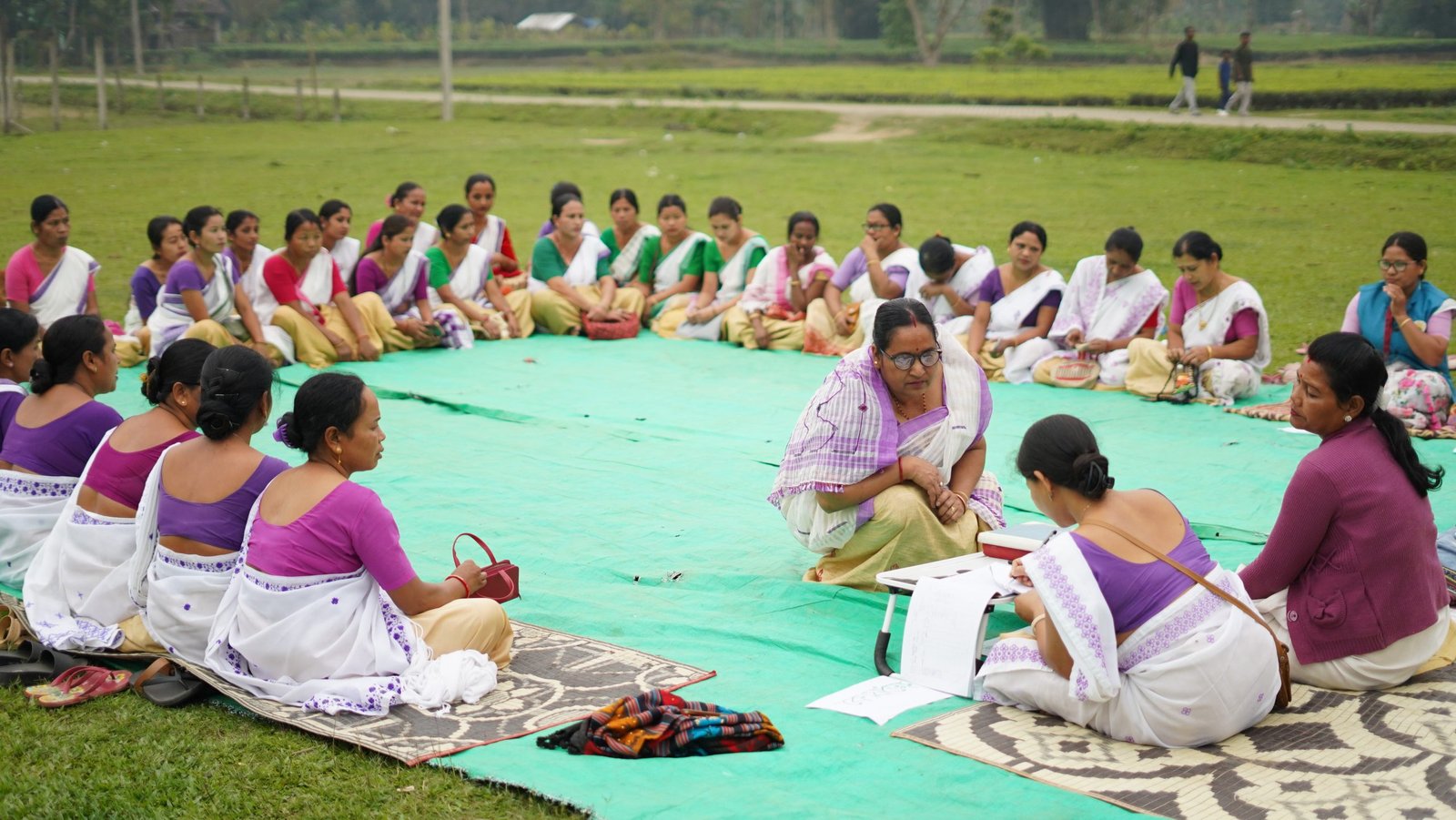
Institution and Capacity Building

Institution and Capacity Building

Strengthening local governance and community institutions such as SHGs, VOs, CLFs and FPOs for sustainable development.
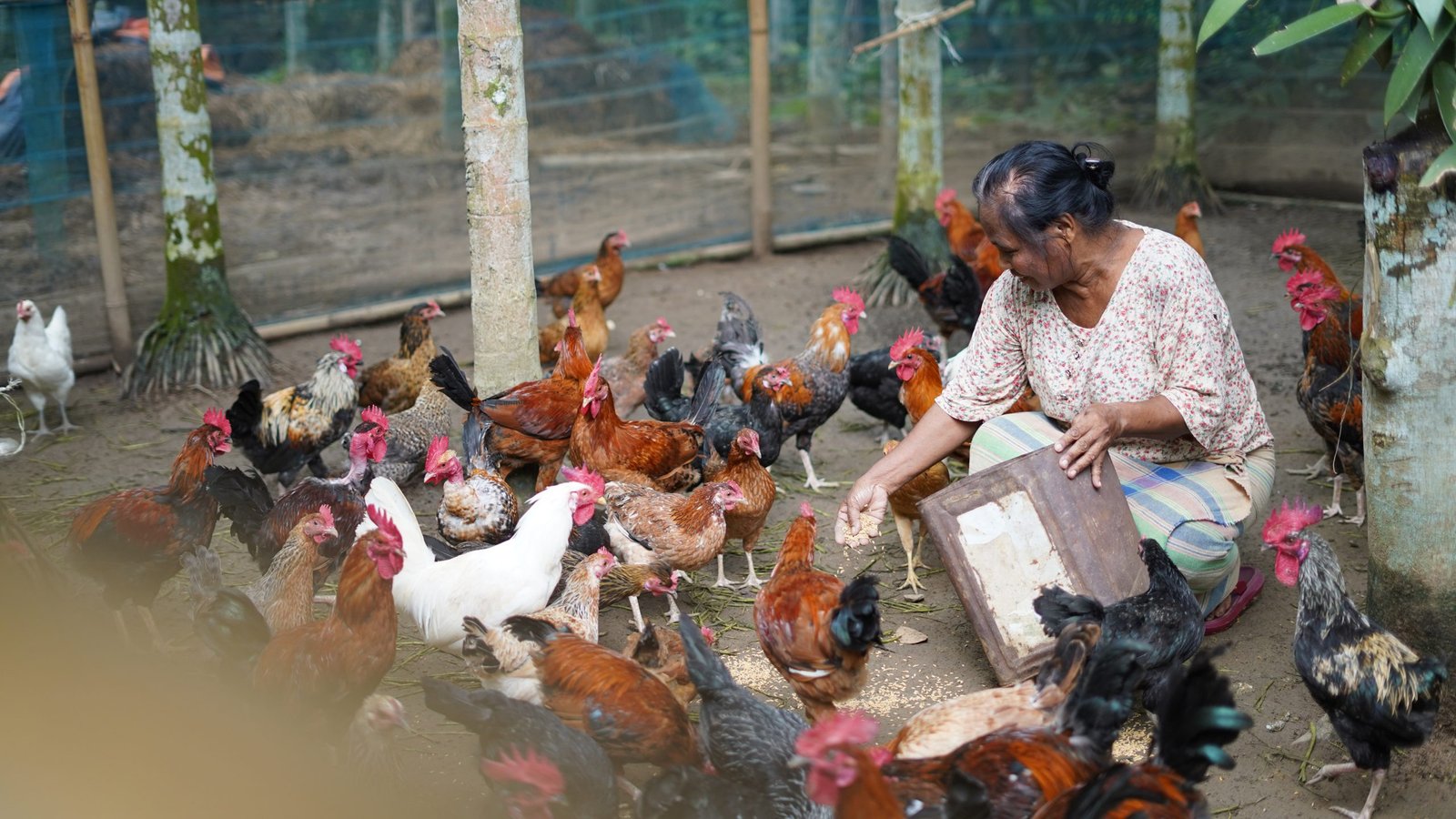
Sustainable Livelihood Promotion

Sustainable Livelihood Promotion

Enhancing farm, off-farm and non-farm livelihoods through agriculture, livestock and enterprise development.
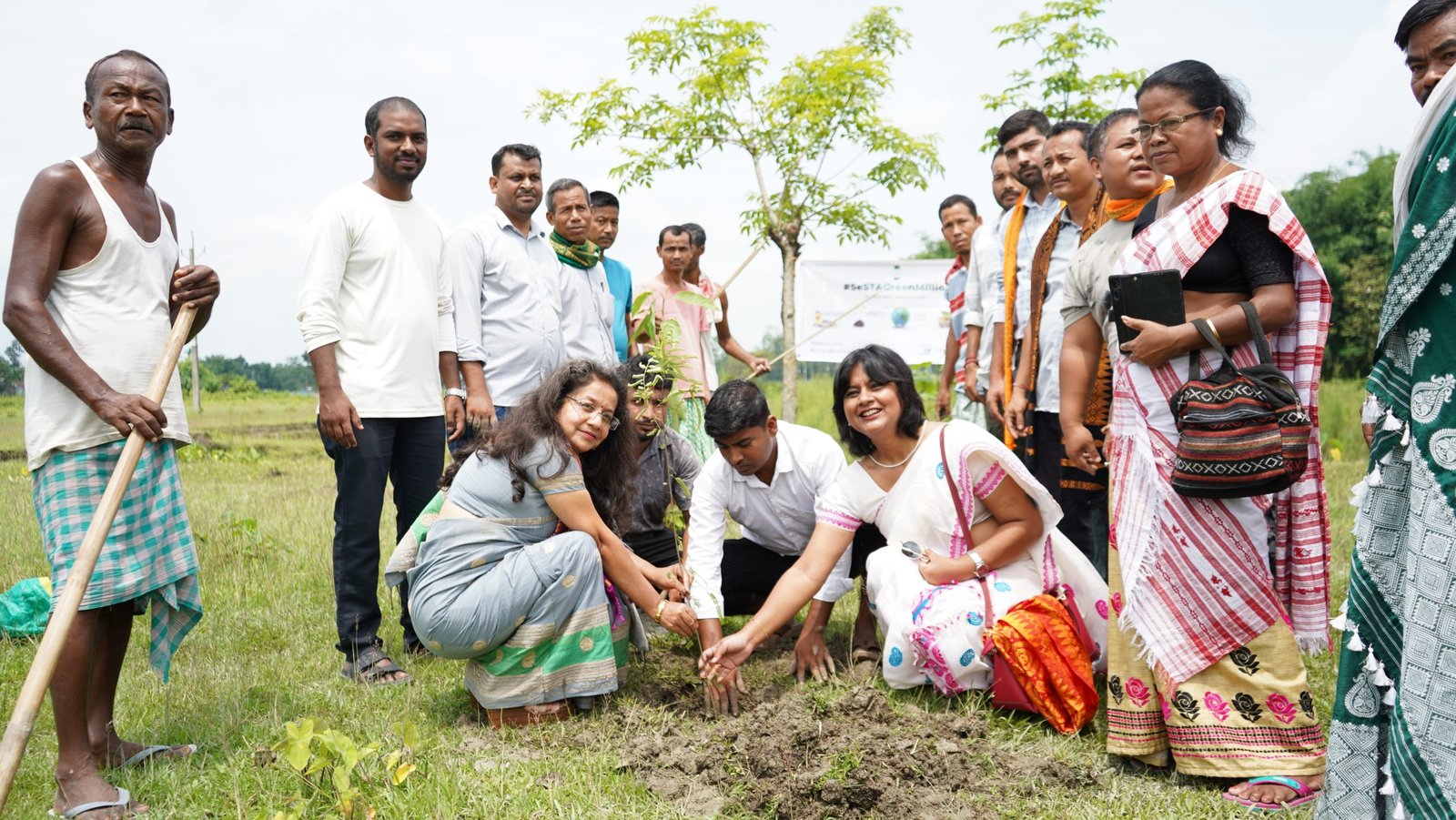
Climate Resilience

Climate Resilience

Promoting climate-resilient agricultural practices and natural resource management systems.
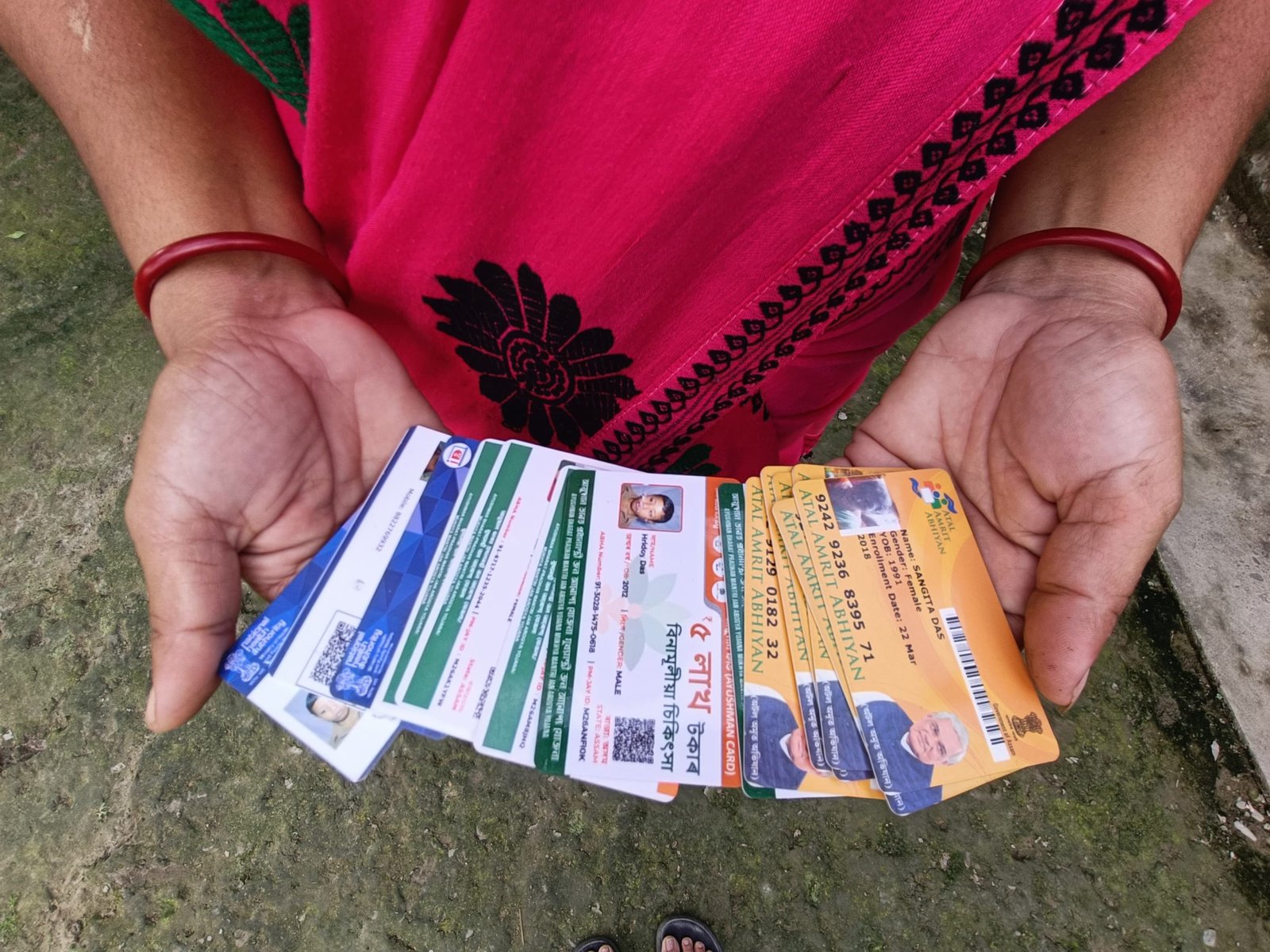
Access to Welfare

Access to Welfare

Ensuring access to government schemes and entitlements for marginalized communities.
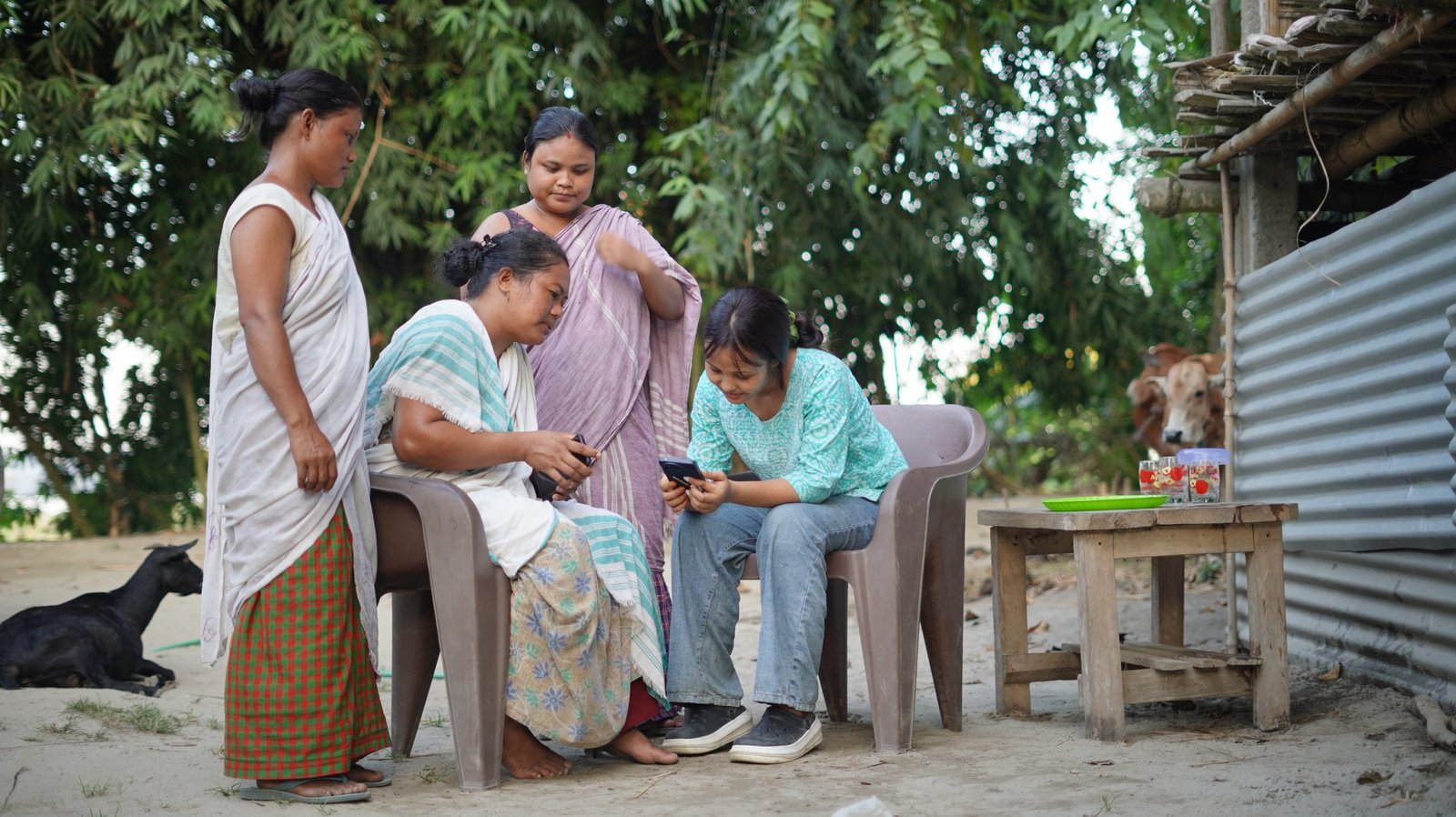
Financial & Digital Inclusion

Financial & Digital Inclusion

Enabling access to digital tools and financial services for rural empowerment.
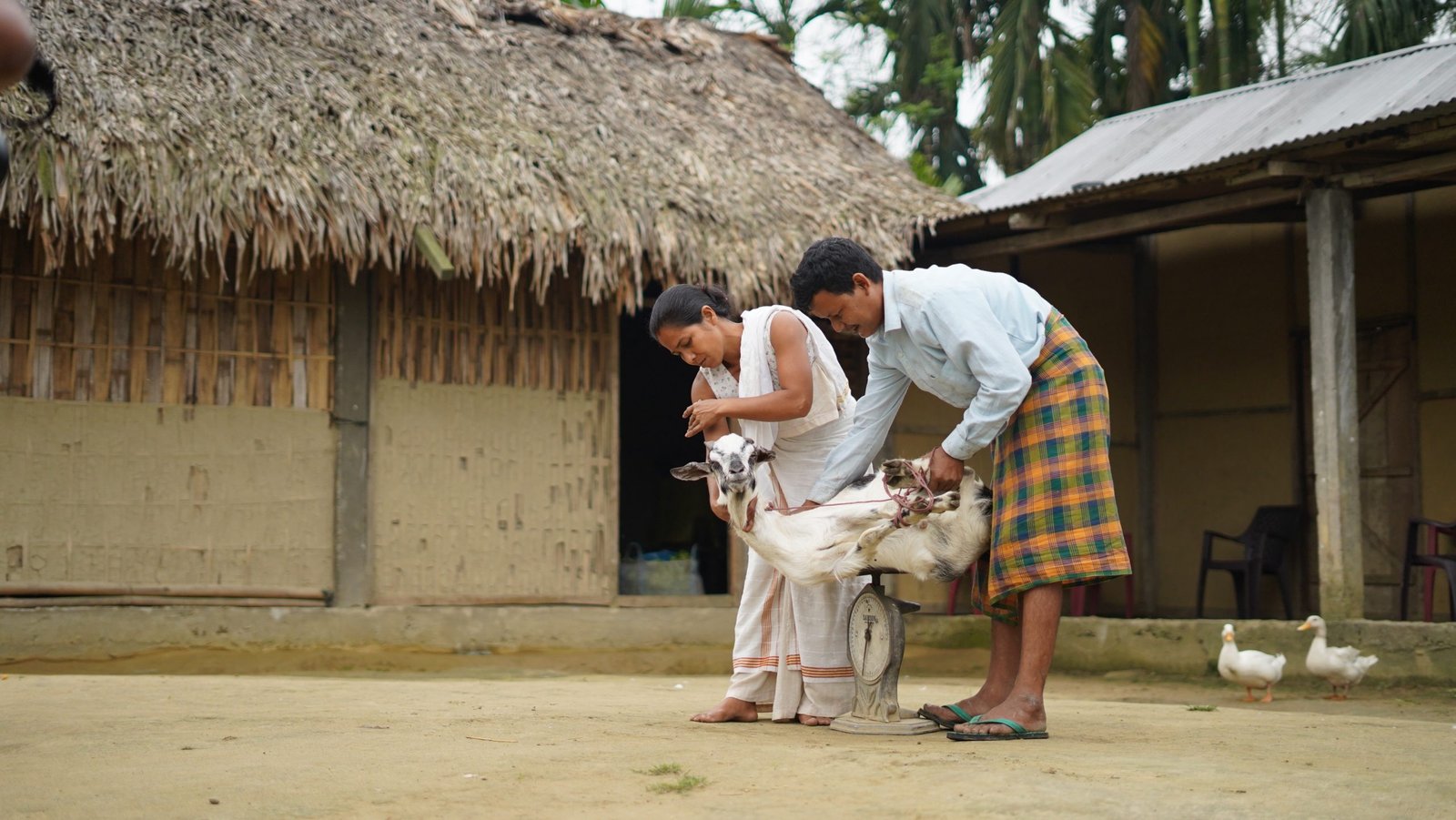
Gender Equity

Gender Equity

Empowering women socially, economically and politically for inclusive development.
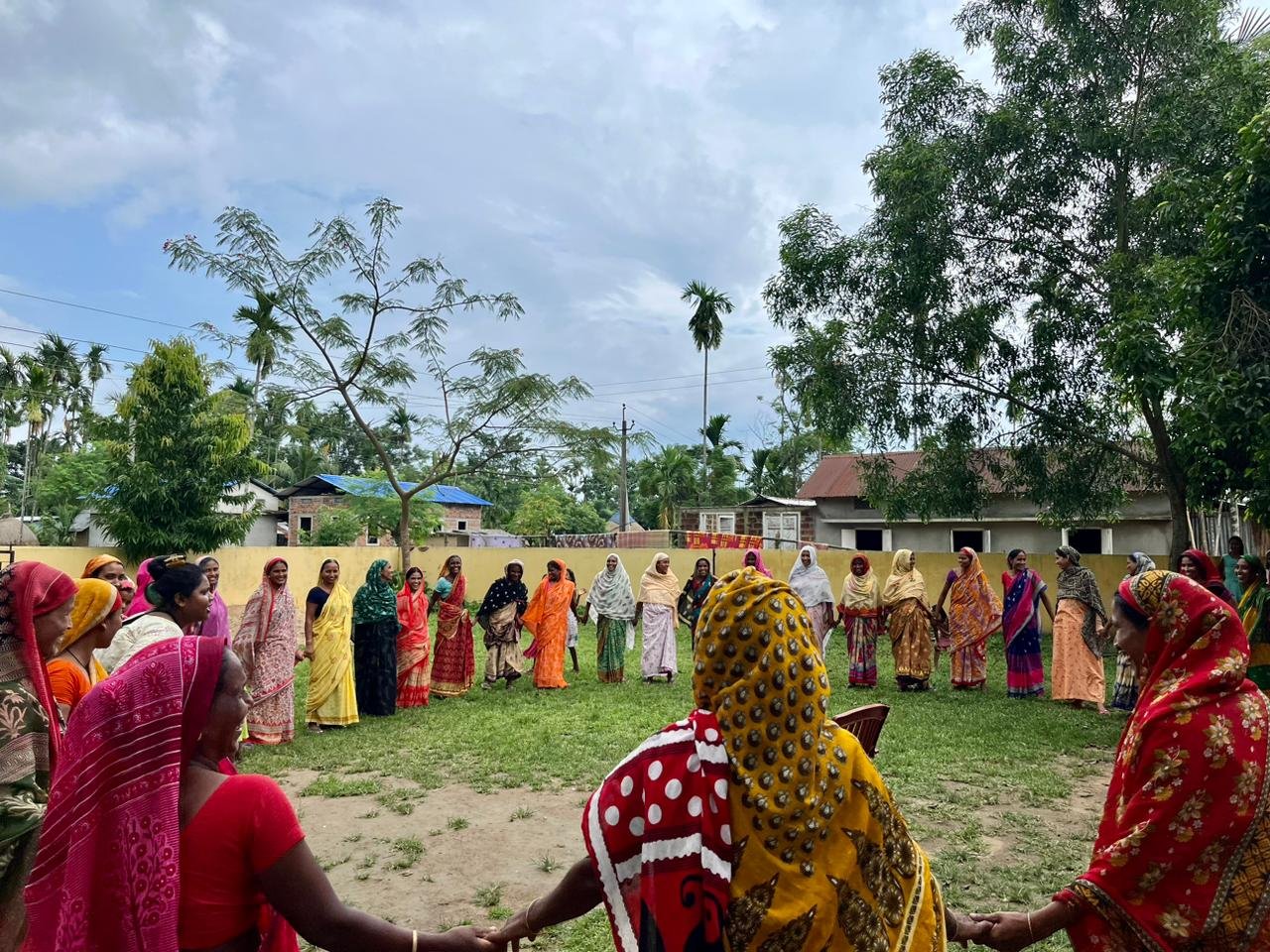
Participatory Research

Participatory Research

Evidence-based interventions through community-driven research in Northeast India.
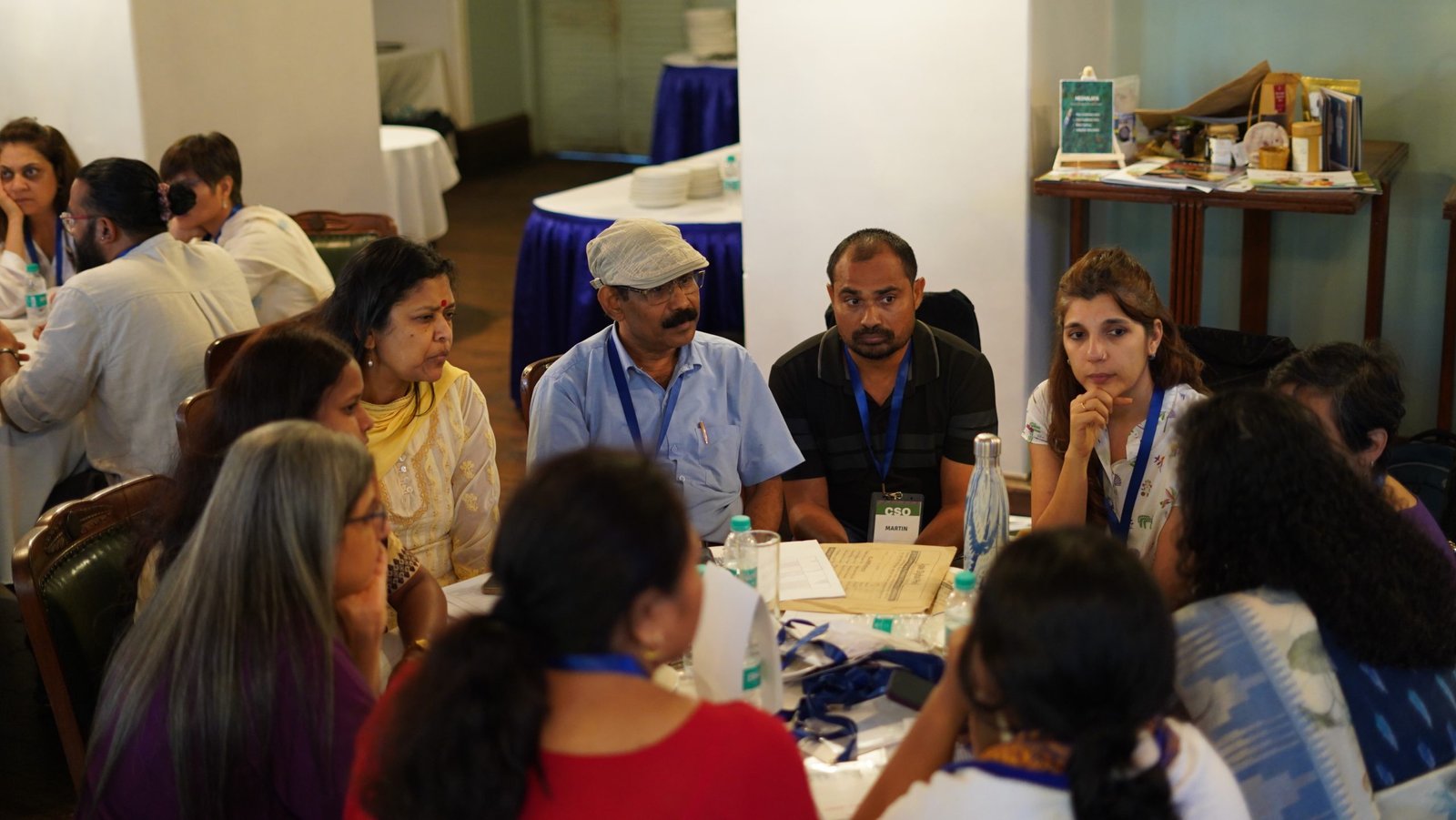
Organization Development

Organization Development

Strengthening systems and processes of grassroots CSOs for collective action.

SeSTA’s Process of Intervention
  • Community-anchored, participatory engagement to build trust and design context-specific solutions.
  • Strengthening women-led livelihoods through productivity enhancement, diversification, and market linkages.
  • Integrating soil, water, land, and climate-resilient practices to reduce risk and improve sustainability.
  • Building and strengthening local institutions, Self Help Groups (SHGs), and grassroots leadership, especially women.
  • Partnering with Civil Society Organisations (CSOs) and government to scale proven models and influence systems and policy.
Ambition 2030:
Goal Sheet
Goal 1
Total outreach till 2030 will be 3 lakhs Households (HHs), out of which livelihood intervention will be done with 2.5 lakhs HHs where 80% are vulnerable HHs.
Goal 2
To promote 1,000 women and youth entrepreneurs who will earn ≥ INR 1.5 lakhs of additional income and also provide forward and backward linkage support to 2.5 lakhs women farmers.
Goal 3
Capacity building of community organisations, 150 Cluster Level Federations (CLFs), 1500 Village Organizations (VOs) and 2500 community cadres to plan, support and monitor livelihood interventions of 2.5 lakhs women farmers by 2030.
Goal 4
1 lakh women HHs will adopt agro-ecological practices and climate resilience.
Goal 5
Support and strengthen 50 CSOs (2× Growth – Outreach / Systems & Processes / Budget).

Goals Beyond the Above

  • SeSTA to be a contributor in policy making for improved implementation of government schemes
  • 300 professionals to be onboarded, technically sound with strong grassroots grasp
  • SeSTA serves as a knowledge centre for livelihood interventions
  • Nutrition / Health / Digital / Water, Sanitation & Hygiene (WASH) / Access to Health Services

Some Critical Definitions

Vulnerable Household – A family with household income less than INR 1 lakh per annum. This includes landless households, women-headed families, riverine valley residents, and tea garden workers.

Most Vulnerable Household – A family with household income less than INR 0.5 lakh per annum.
SeSTA in Numbers

0
States
0
Districts
0
Blocks
0 +
Rural Households
0 +
Villages Engaged
0 +
Women collectives

SDGs We Resonate To

No Poverty (SDG 1)

Empowering poor and marginalized women through sustainable livelihood initiatives.

Zero Hunger (SDG 2)

Strengthening food security through diversified agriculture and nutrition support.

Gender Equality (SDG 5)

Promoting leadership, dignity, and economic empowerment of women.

Decent Work (SDG 8)

Creating sustainable livelihoods and inclusive economic growth opportunities.

Reduced Inequalities (SDG 10)

Ensuring equitable access to resources, rights, and opportunities.

Climate Action (SDG 13)

Building climate resilience through sustainable rural practices.

Awards & Accolades