Sustainable Livelihood Promotion
A basket of scientific livelihoods for every family.
SeSTA helps each family build at least two livelihoods across farm, livestock and enterprise, using scientific practices and links to credit and markets.
The work, step by step
The Process behind every progress
- 1
Profile
Mahila Kisan profiling
Each woman farmer is profiled: her land, livestock, skills and present income.
- 2
Plan
Family Based Livelihood Plan
The family makes its plan inside its SHG, now recorded on SeSTA’s own mobile app so progress can be tracked in real time.
- 3
Implement
Training, inputs and finance
Women learn breed selection, shed building, feed, disease, nursery and pest management, and receive inputs and credit.
- 4
Track and link
Monitoring and market access
Each adoption is geo-tagged with a photo, and producers are linked to buyers and platforms such as ONDC and eNAM.
2+ livelihood activities per household and a lasting rise in income
In numbers
What the numbers show
From a household reached to a family plan
Women farmers earning ₹1 lakh or more a year, households reached through livelihood promotion, and the Family Based Livelihood Plans they made.
- 50,000+women farmers earning ₹1 lakh or more in a year
- 43,524households reached
- 24,943Family Based Livelihood Plans57%
Scientific livestock, by activity
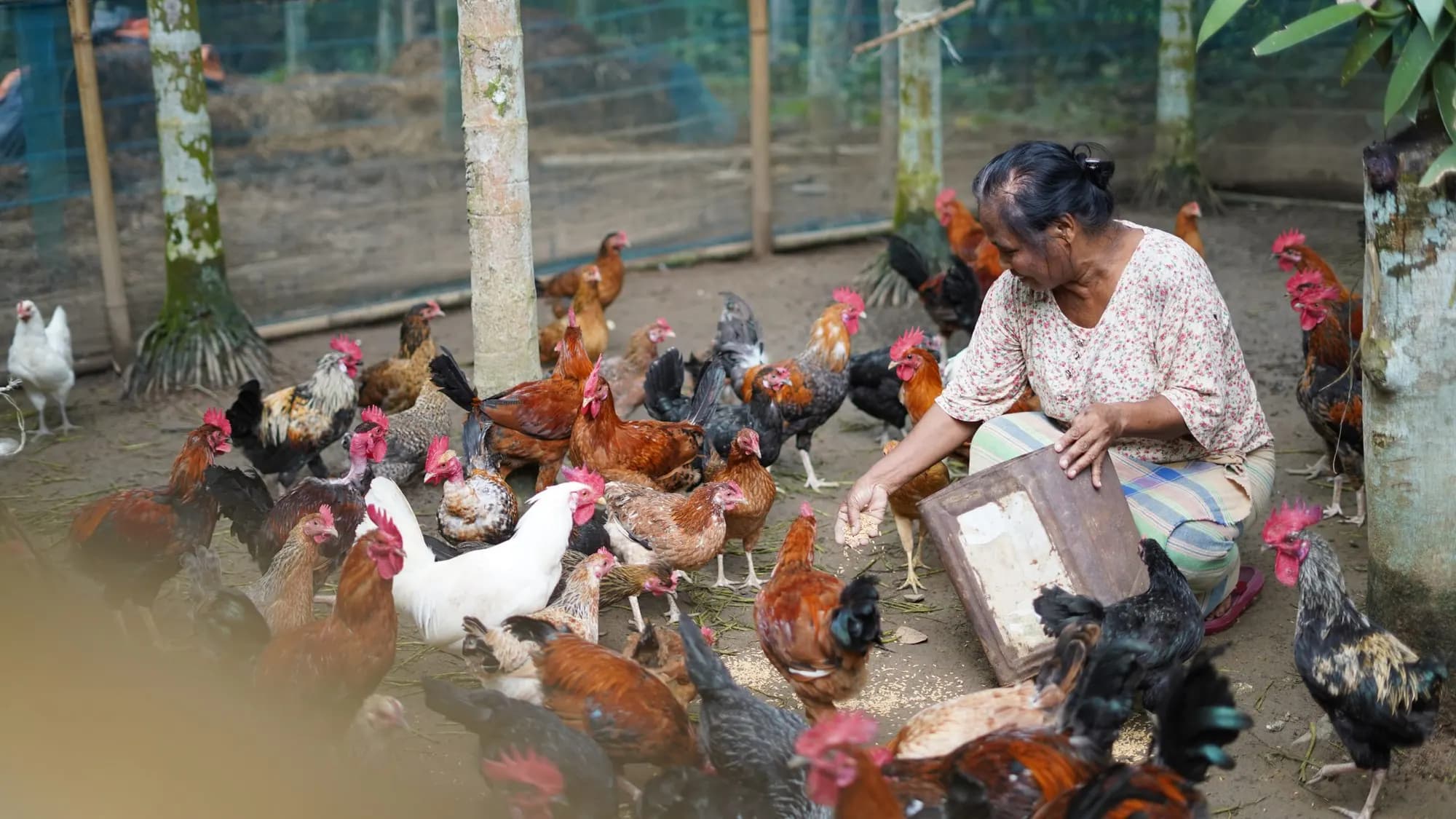
Women rearing poultry, pigs, goats and ducks with scientific practices.
- Poultry5,67233%
- Pig rearing4,74827%
- Goat rearing4,16124%
- Duckery2,80016%
At a glance
Key numbers
- households reached through livelihood promotion
- 43,524
- Family Based Livelihood Plans made
- 24,943
- households growing vegetables, spices, oilseeds, pulses and cereals
- 25,181
- households in livestock rearing
- 16,133
- women farmers earning ₹1 lakh or more in a year
- 50,000+
- women agri and allied entrepreneurs promoted
- 126
- funds linked to 23,342 women farmers
- ₹27.03 cr
From the field
Stories of change
Perhaps, This Is What Empowerment Looks Like
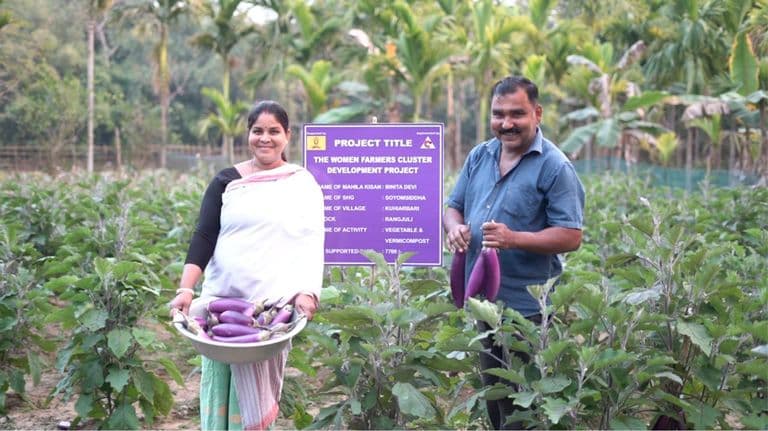
Binita Devi’s story begins with one bigha of land and ends with a net profit of over ₹42,000.
Menisa Sangma’s begins with 1.5 bigha and a vision for diversified cultivation, bringing her more than ₹20,000 in a single season.
Karabi Khakhalary found another way to nurture possibility, building an enterprise around vermicompost production. The members of Sonsiri Village Organization took a collective route, turning potato cultivation into an opportunity for shared economic returns.
What connects these journeys is not simply agriculture or enterprise. It is the ability to make choices, build skills, take ownership and participate more meaningfully in the economic life of a household and community.
Perhaps empowerment is not always announced through grand achievements. Sometimes, it quietly takes shape in a field, an enterprise, a new skill or the first income someone has earned through something they built themselves.
Together
Who makes it happen
- 01Field teams
- 02Krishi Sakhis
- 03Pashu Sakhis
- 04Community institutions
- 05Line departments and KVKs