Institution and Capacity Building
Strong women’s institutions that run their own development.
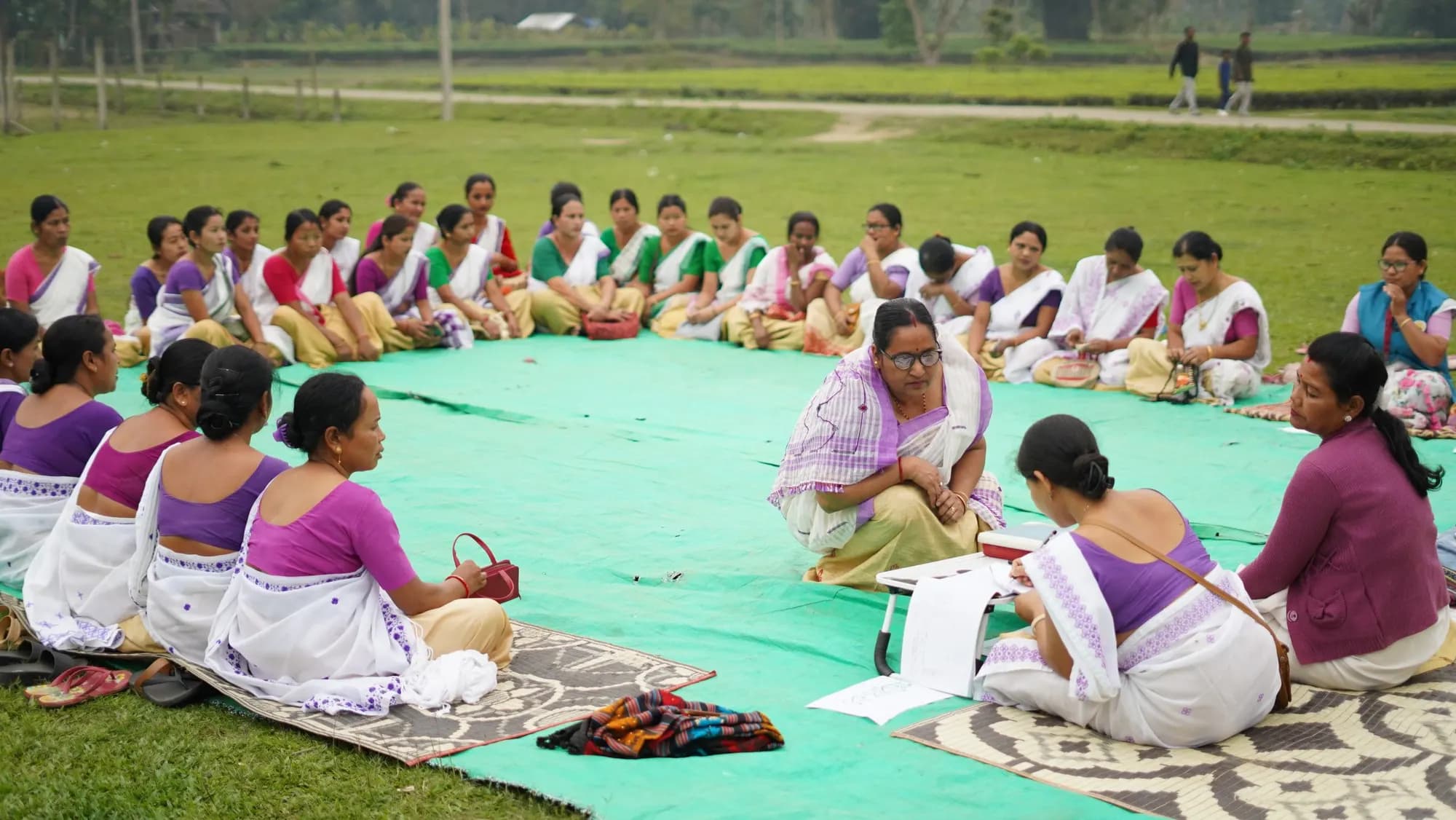
SeSTA strengthens community institutions — Self-Help Groups, Village Organisations, Cluster Level Federations and Producer Groups — so that women can plan, fund and govern their own development.
The work, step by step
The Process behind every progress
- 1
Scope
Scoping study and PRA
The team and the community study the village together through Participatory Rural Appraisal: land, people, livelihoods and existing groups.
- 2
Organise
Women form SHGs
Women come together in Self-Help Groups, the base unit for savings, credit and planning.
- 3
Federate
SHG, VO, CLF and FPO
SHGs join into Village Organisations, VOs into Cluster Level Federations, and farmers with a shared activity form Producer Groups or FPOs.
- 4
Capacitate
Training and cadre grooming
Leaders and subcommittees are trained and community cadres are groomed, with pre- and post-assessments to track progress.
Women’s institutions that plan, fund and run their own development
In numbers
What the numbers show
2,869 community institutions strengthened
Village Organisations, Producer Groups, Cluster Level Federations and Farmer Producer Companies strengthened.
At a glance
Key numbers
- Producer Groups promoted and strengthened
- 1,046
- Village Organisations strengthened
- 1,705
- Cluster Level Federations strengthened
- 113
- Farmer Producer Companies strengthened
- 5
- new villages reached
- 933
- Pragati Sakhis capacitated as community cadres
- 818
- VO subcommittees trained: Social Action, Procurement, Livelihood, Bank Linkage, SHG Management and SHG Monitoring
- 6
From the field
Stories of change
When One Community’s Strength Becomes Another’s Opportunity
Every sapling has a story. Some begin with a seed, others with an idea.
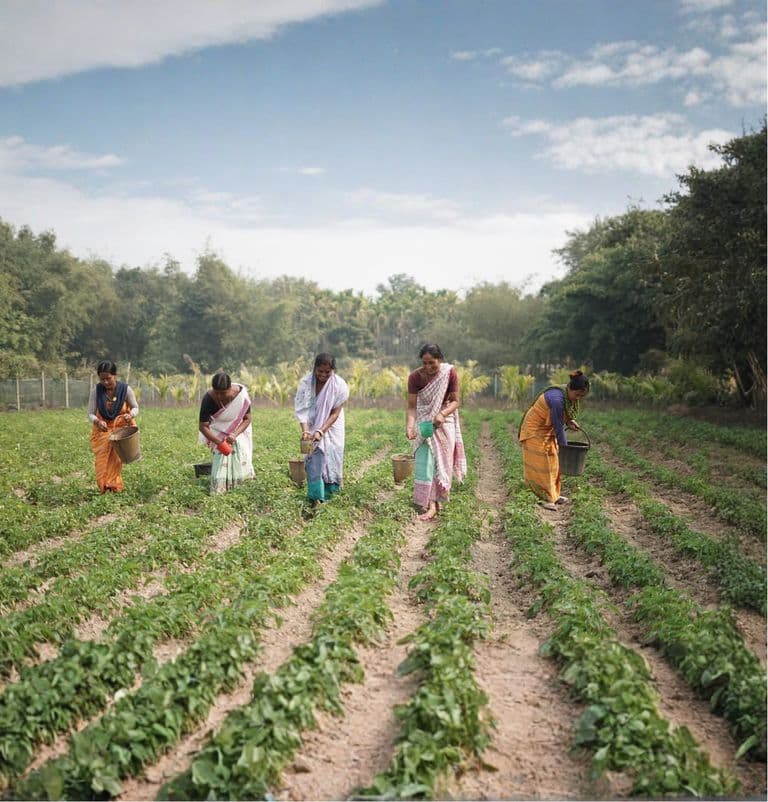
In Mayong Panchayat, 26,000 saplings are beginning a story of collective ambition. Under Kohuwa CLF, a vegetable cluster is bringing SHG members together around a shared opportunity: to cultivate sustainably, create livelihoods and strengthen their local economy.
The journey is being shaped by more than agricultural practices. A local entrepreneur has stepped in to support the supply of inputs, while Trichoderma has travelled from Prantika CLF in Tinsukia, carrying with it a spirit of cooperation between community institutions.
With vermicompost, neem oil and other eco-friendly inputs supporting cultivation, the initiative is demonstrating how locally rooted solutions can create lasting possibilities.
And as these saplings grow, so does something less visible but equally important: confidence, enterprise and the strength of communities working together.
Together
Who makes it happen
- 01Field teams
- 02Community cadres
- 03Community institutions
- 04ASRLM, TRLM and MSRLS
- 05Ecosystem partners